


Many people with histamine intolerance have experienced that after a glass of wine, a beer, or a toast, uncomfortable symptoms appear: headache, skin redness, itching, hives, nasal congestion, or digestive discomfort.
Far from being coincidental, there is a clear explanation: alcohol has several direct effects on histamine. On one hand, some alcoholic beverages already contain histamine as a result of fermentation. On the other hand, alcohol inhibits the main enzyme responsible for breaking it down in the intestine (DAO) and can also stimulate our own cells to release more histamine.
The result is a perfect cocktail for triggering symptoms, even in small amounts.
And there is a key point that science has made unequivocally clear: there is no safe level of alcohol consumption for health. Every sip, no matter how small, contributes to increasing long-term risks such as cancer, cardiovascular and liver problems, sleep disturbances, or imbalances in the gut microbiota.
Therefore, in people with histamine intolerance – and indeed in the general population – the clearest and most prudent recommendation is simple: the less alcohol, the better… and the healthiest option is to avoid it altogether.
Mechanisms by which alcohol worsens histamine intolerance
Alcohol is a well-known trigger or aggravator of symptoms in people with histamine intolerance (HIT).
Various physiological mechanisms explain why alcohol consumption exacerbates this condition.
1. Intake of exogenous histamine
Alcoholic beverages, being fermented products, contain histamine to varying degrees. During fermentation, yeasts and bacteria produce biogenic amines (such as histamine, cadaverine, tyramine, etc.).
◾ Beer and wines (especially red) are typically richer in histamine and other amines.
◾ This extra histamine from the drink adds to that from the diet, increasing the total load the body must metabolise.
◾ In people with DAO deficiency, this overload easily exceeds the degradation capacity, facilitating histamine accumulation in the blood.
In addition to histamine, other components in alcoholic drinks can contribute to reactions: for example, wines contain sulfites (which may trigger symptoms in asthmatics) and some herbal liqueurs contain salicylates or other bioactive substances. Nevertheless, in the context of HIT, histamine and its related amines (such as tyramine) are the main culprits behind symptoms after drinking.
Note: Controlled studies have shown that even wines with low histamine content can trigger symptoms in susceptible individuals. This suggests very individual tolerance thresholds and the possible role of other alcohol congeners.
2. Promotes internal histamine release
Alcohol does not only add histamine externally; it can also provoke the release of endogenous histamine (from the body itself).
◾ Both ethanol and its metabolite acetaldehyde act on certain immune cells (mast cells and basophils), causing them to release stored histamine. In other words, alcohol induces mast cell degranulation, releasing histamine into the surrounding tissue.
◾ This internal increase in histamine can occur in various tissues. For example, in the skin, it is associated with redness, itching, and hives after drinking.
In susceptible individuals (e.g., those with chronic rhinosinusitis), red wine can activate immune cells to release histamine and exacerbate respiratory symptoms.
3. Inhibition of histamine metabolism (effects on DAO and ALDH)
Alcohol impedes the elimination of histamine by interfering with the enzymes that degrade it:
Ethanol can inhibit intestinal DAO activity. Even in healthy individuals, ethanol intake reduces the quantity and efficiency of DAO available in the digestive mucosa. The result: after drinking, the intestine has less capacity to break down dietary histamine, making it more likely to enter the bloodstream.
Additionally, alcohol metabolism creates enzymatic competition: ethanol is converted into acetaldehyde, and both this and histamine metabolites require hepatic aldehyde dehydrogenase (ALDH). Acetaldehyde competes with N-imidazole acetaldehyde (a product of histamine degradation via DAO) for ALDH.
Consequence: with alcohol in the system, ALDH prioritises acetaldehyde, leaving less available for histamine residues. This slows final degradation and maintains elevated histamine levels for longer.
In summary: “alcohol and acetaldehyde release histamine and hinder its elimination (inhibit DAO and compete for ALDH),” raising its concentration in tissues.
4. Alterations in the microbiota and intestinal barrier
Chronic or excessive alcohol consumption can disrupt the balance of the gut ecosystem and the integrity of the mucosa:
◾ Modifies the microbiota, potentially favouring histamine-producing bacteria and altering degrading enzymes.
◾ Increases intestinal permeability, facilitating the passage of pro-inflammatory molecules – including histamine – into the circulation.
◾ Over time, this inflammatory environment can impair DAO enzyme function in the mucosa.
In people with histamine intolerance, these changes further worsen the situation: gut dysbiosis can lead to more histamine release in the intestine, and a permeable mucosa allows this histamine to enter the bloodstream more easily.
This creates a vicious circle where alcohol aggravates histamine absorption and inflammation, worsening individual tolerance.
Measures such as a low-histamine diet, DAO supplements, and caring for the body’s ecosystem (fibre, polyphenols, sleep, stress management) help restore beneficial microbiota and strengthen the intestinal barrier, keeping in mind that interventions should always be personalised.
Symptoms that alcohol can worsen in people with histamine intolerance
◾ Severe headache and migraine: sharp or migraine-type headaches are among the most common symptoms related to histamine accumulation. Red wine, in particular, is notorious for triggering migraines in susceptible individuals.
◾ Facial flushing and heat: redness of the face, neck, and ears, accompanied by a sudden feeling of warmth.
◾ Nasal congestion and sneezing: histamine causes vasodilation and mucus secretion in the nasal mucosa, resulting in a blocked nose, nasal drip, sneezing, and even sinus pressure after drinking.
◾ Hives and skin itching: the appearance of red welts or patches (hives), sometimes with intense itching. They may be confined to the face and neck (facial erythema) or more widespread. Even without visible lesions, pruritus (itching) is common after alcohol consumption due to cutaneous histamine release.
◾ Digestive symptoms: abdominal pain or cramps, nausea, heartburn, a feeling of fullness, diarrhoea, or, conversely, constipation. Histamine acts on receptors in the digestive tract, increasing motility and secretions, explaining these effects.
◾ Palpitations and tachycardia: histamine can induce rapid heartbeats and palpitations by acting on cardiac H2 receptors and triggering adrenaline release. After a couple of drinks, some people notice their heart racing; in those with histamine intolerance, this may be more pronounced and accompanied by low blood pressure (hypotension) and dizziness.
◾ Bronchospasm or asthma: in more severe cases, released histamine can constrict bronchial muscles, making breathing difficult. Some people may experience wheezing or coughing after drinking, especially wine or beer, which contain the most histamine.
Clinical expression is highly variable: each person has their own threshold and pattern (migraine, skin, digestive, respiratory). But alcohol tends to intensify the picture by increasing circulating histamine.
What recent scientific literature says about the alcohol-histamine relationship
The relationship between dietary histamine, DAO enzyme, and symptoms has been increasingly studied in recent years.
Although histamine intolerance is not yet fully recognised by some medical sectors, evidence is accumulating: almost 80% of scientific publications on histamine intolerance have appeared in the last decade, reflecting growing interest.
Official bodies have taken a stance; for example, the European Food Safety Authority (EFSA) in 2011 identified histamine intolerance as a risk distinct from acute histamine poisoning, warning that sensitive individuals may react to much lower doses than those tolerated by the general population. EFSA concluded that only foods with practically undetectable histamine levels would be safe for individuals with histamine intolerance, emphasising the need to minimise exposure.
Numerous clinical studies have found an association between unexplained chronic symptoms (migraines, digestive disorders, etc.) and low DAO levels in the blood.
For example, patients with migraines and DAO deficiency experience more headache episodes related to histamine-rich foods, supporting the hypothesis of food-related histamine intolerance. Additionally, controlled trials indicate that exogenous DAO supplementation before meals can reduce the incidence of symptoms such as headaches in patients with this enzyme deficiency. This reinforces DAO’s central role in eliminating ingested histamine.
Regarding alcohol, scientific literature confirms the mechanisms described above. Classic studies observed that ethanol inhibits DAO: for example, Sessa et al. (1984) measured DAO activity in rats after administering ethanol and found a significant reduction of this activity in the intestine. This explains why alcohol acts as a transient DAO inhibitor in humans as well (i.e., it can cause temporary, reversible DAO deficiency).
Furthermore, research in animals and humans has demonstrated alcohol’s histamine-releasing effect. A widely cited study (Zimatkin & Anichtchik, 1999) described that alcohol, especially acetaldehyde, triggers peripheral mast cell degranulation, releasing histamine while hindering its elimination by competing for metabolic pathways.
In summary, scientific literature supports the close relationship between alcohol consumption and histamine-related symptoms. It is increasingly understood that alcohol acts as a multiplier of histamine’s effect: it enhances its toxicity by interfering with its metabolism and adds more histamine load to the body.
Beyond histamine: other alcohol effects that worsen the condition
◾ Increases intestinal permeability: allowing more inflammatory molecules to pass, impairing the gut barrier.
◾ Fosters dysbiosis: alters microbiota balance, which is crucial in histamine regulation and metabolism. Some bacteria degrade histamine.
◾ Worsens sleep quality: initial drowsiness is misleading; it disrupts sleep architecture, increases heart rate, and inflammatory reactivity.
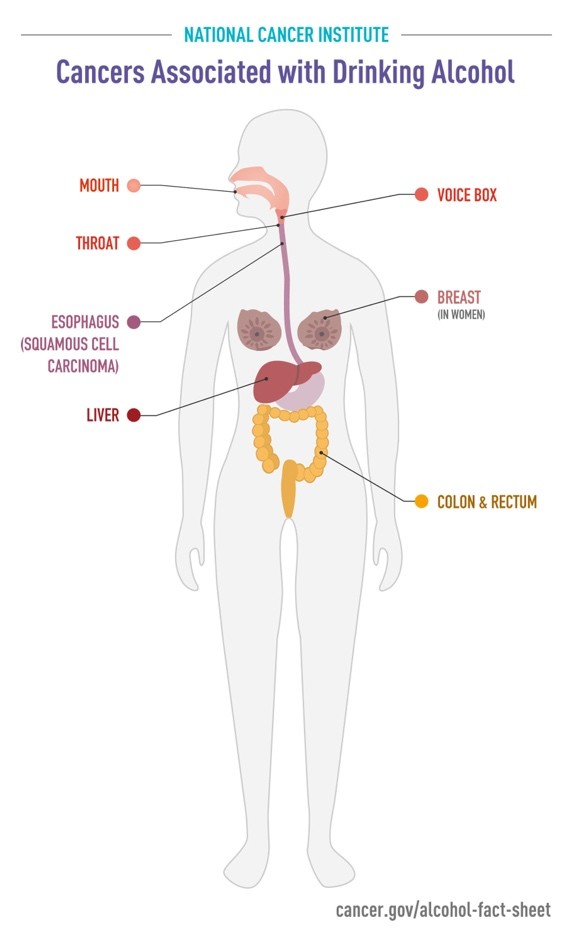
◾ Oncological and chronic disease risk: IARC has declared that there is no safe level of alcohol consumption and that both ethanol and acetaldehyde are group 1 carcinogens.
Why avoiding alcohol is the most prudent choice
There is no safe threshold. Unlike other histamine-rich foods, with alcohol we cannot speak of “moderate safe consumption”.
Each drink:
◾ Impairs intestinal function and barrier
◾ Affects brain and sleep
◾ Causes cardiovascular changes
◾ Burdens the liver
◾ Adds cumulative cancer risk
◾ And in histamine intolerance, blocks the main detoxification pathway (DAO)
Greater impact in people with histamine intolerance
In someone without histamine issues, a single drink may cause mild symptoms. In a person with histamine intolerance, the combination of extra histamine, internal release, and DAO inhibition can make even small amounts trigger intense reactions.
Higher-risk cases:
◾ People with chronic migraine.
◾ People with rosacea or chronic urticaria.
◾ Those with a genetic deficiency of aldehyde dehydrogenase 2 (ALDH2), common in the Asian population; causing intense flushing and higher risk of oesophageal cancer with regular alcohol consumption.
◾ Patients with inflammatory bowel disease, SIBO, or dysbiosis.
What if I supplement with DAO?
Oral DAO supplies the enzyme that breaks down food histamine in the gut, and preliminary evidence suggests it can reduce some symptoms. But it does not neutralise alcohol: alcohol blocks DAO itself and releases histamine, so supplementing is not a substitute for avoiding it.
Oral DAO provides the enzyme in capsules to break down dietary histamine in the intestine.
Preliminary evidence shows it may reduce symptoms in some cases (migraines, digestive symptoms, hives).
However:
◾ It does not block histamine released by mast cells.
◾ It does not compensate for DAO inhibition caused by alcohol.
◾ It does not eliminate the long-term risks of ethanol (cancer, brain, liver, sleep, microbiota).
Therefore, while it may support the daily diet, it is not a strategy to “be able to drink”. The most prudent recommendation remains to avoid alcohol.
In summary
Alcohol and histamine form a high-risk combination in people with intolerance: it adds histamine, releases it internally, and blocks its breakdown. Therefore, symptoms often spike even with small amounts.
Beyond histamine, evidence indicates that there is no safe level of alcohol consumption: every drink adds risk.
Thus, the most honest and scientifically grounded message is clear:
The best choice for your gut health, brain health, immune system, and overall wellbeing is to avoid alcohol.